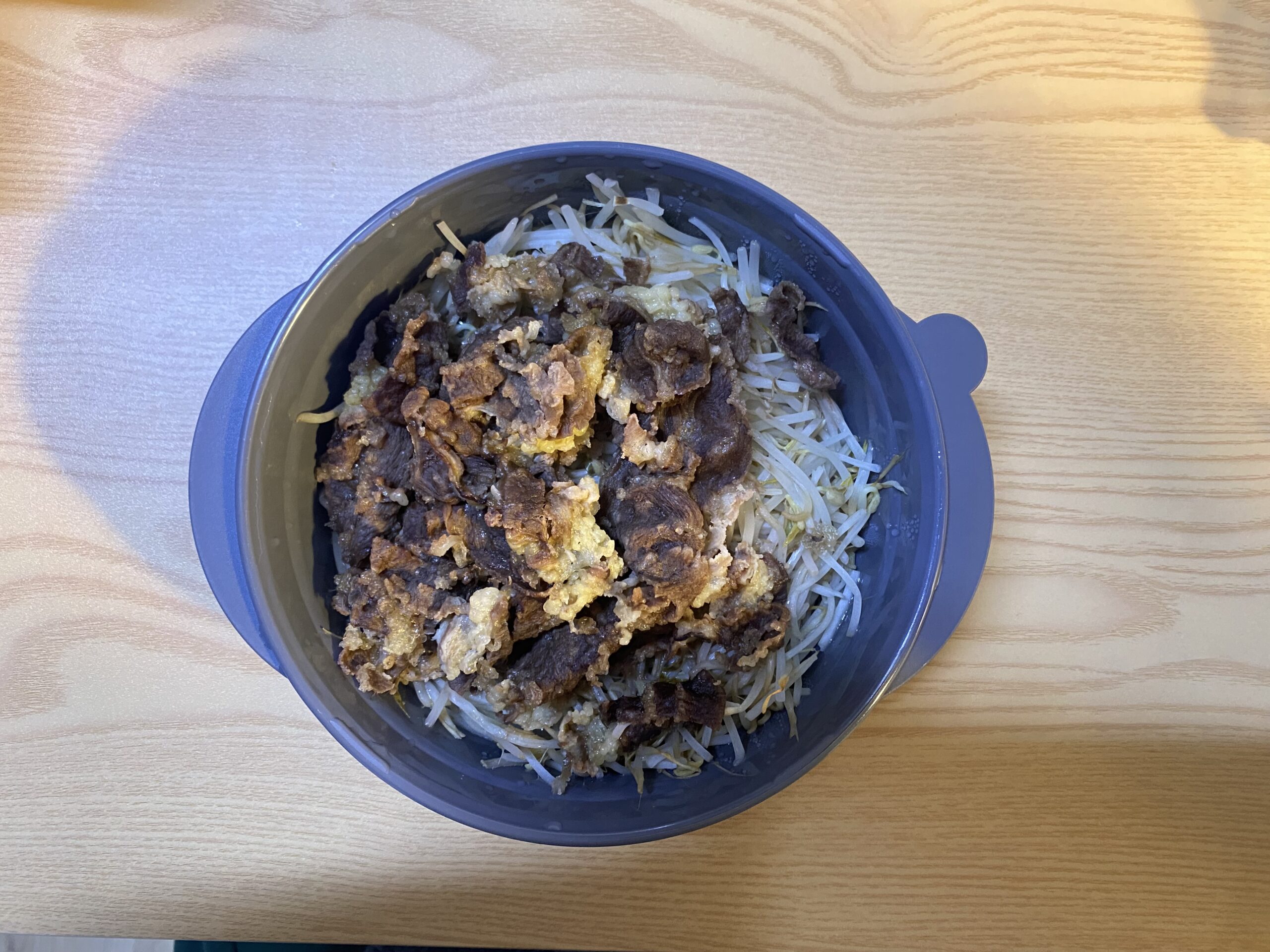
In the Bridget June biohacking framework, it’s not just “what” you eat, but “how” you cook it. “Body Rules the Mind” encompasses the prevention of Advanced Glycation End-products (AGEs), often referred to as ‘glycotoxins.’ When meat is cooked at high temperatures (grilling or frying), it triggers a Maillard reaction that creates AGEs, which accelerate cellular aging and neuro-inflammation. The Steamed Beef and Mung Bean Sprouts protocol utilizes low-temperature steam cooking to preserve the integrity of proteins and micronutrients while minimizing toxic byproducts.
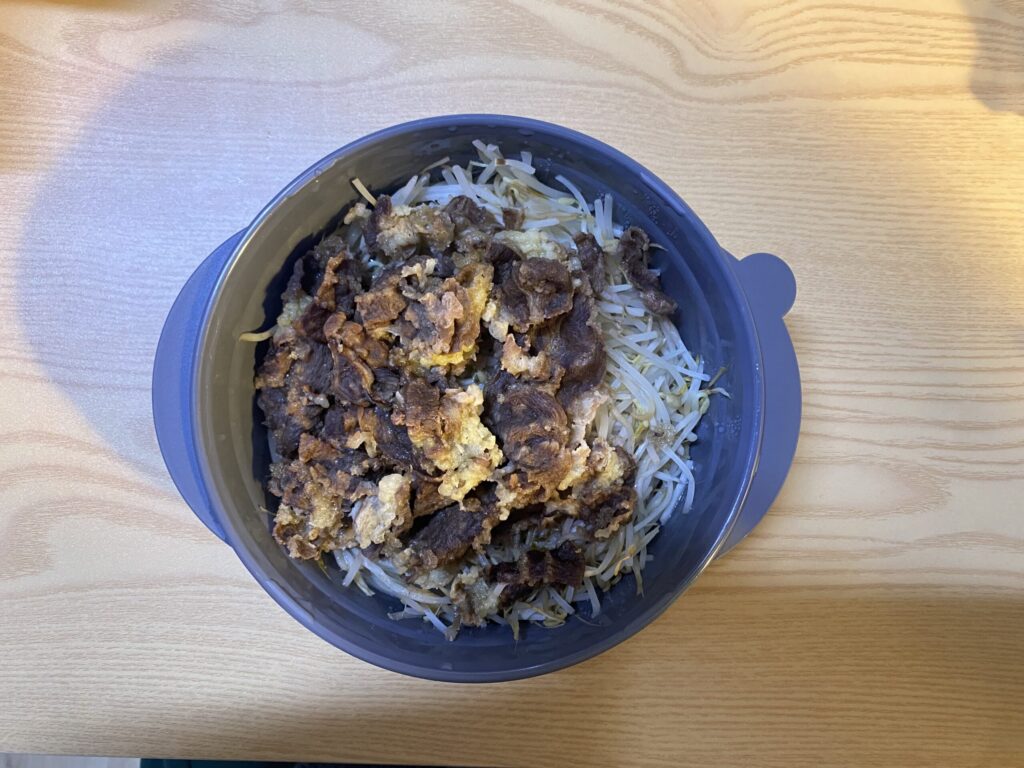
Beef provides essential amino acids and highly bioavailable heme iron, which are critical for maintaining the cognitive stamina required for a 100-billion-won vision. However, the true star of this dish is the Mung Bean Sprout. According to research from the National Center for Biotechnology Information (NCBI), mung bean sprouts are rich in Vitexin and Isovitexin, potent flavonoids that exhibit significant antioxidant and anti-inflammatory properties. These compounds help neutralize the oxidative stress caused by protein metabolism.
A study from the Harvard T.H. Chan School of Public Health suggests that low-AGE diets are directly linked to improved insulin sensitivity and a lower risk of metabolic syndrome. By steaming the beef on a bed of sprouts, we ensure that the meat remains hydrated and the fats do not oxidize into harmful lipid peroxides. This meal serves as a “Structural Integrity Boost,” providing the building blocks for your brain and muscles without the metabolic cost of high-heat cooking.
[Bridget June’s Professional Recipe]
English Recipe:
- Ingredients: 200g of Thinly Sliced Beef (Brisket or Top Round), 300g of Fresh Mung Bean Sprouts, 1/2 Onion (sliced), 5-6 stalks of Chives, 1 tbsp of Minced Garlic.
- The Dipping Sauce (Low-Glycemic): 2 tbsp of Soy Sauce, 1 tbsp of Water, 1 tbsp of Apple Cider Vinegar (ACV), a dash of Wasabi or Chili flakes.
- Instructions: 1. Rinse the mung bean sprouts thoroughly and spread them at the bottom of a steamer basket. 2. Layer the sliced onions and thinly sliced beef over the sprouts. 3. Top with chives and minced garlic to enhance sulfur-based detoxification. 4. Steam for 7-10 minutes over boiling water until the beef is just cooked. Avoid overcooking to minimize nutrient loss. 5. Serve immediately with the ACV-based dipping sauce.
- Biohacker’s Secret: The water trapped in the sprouts during steaming keeps the beef enzymes intact, making it significantly easier to digest compared to grilled steak.
당독소 방어 전략: 소고기 숙주찜으로 마스터하는 대사 효율과 노화 방지
Bridget June의 바이오해킹 프레임워크에서 중요한 것은 무엇을 먹느냐뿐만 아니라 ‘어떻게 조리하느냐’입니다. **”신체가 정신을 지배한다”**는 철학은 세포 노화와 신경 염증을 가속화하는 ‘당독소(AGEs, 최종당화산물)’를 방어하는 것에서부터 시작됩니다. 육류를 고온에서 굽거나 튀길 때 발생하는 마이아르 반응은 당독소를 생성하며, 이는 전신 염증의 주범이 됩니다. 소고기 숙주찜 프로토콜은 저온 증기 조리법을 사용하여 단백질과 미량 영양소의 구조적 무결성을 보존하는 동시에 유해 부산물의 생성을 최소화합니다.
소고기는 1,000억 자산가라는 거대한 비전을 실현하는 데 필요한 인지적 지구력을 유지하기 위해 필수적인 아미노산과 생체 이용률이 높은 헤철(Heme Iron)을 제공합니다. 하지만 이 요리의 진정한 주인공은 숙주나물입니다. *국립생물공학정보센터(NCBI)*의 연구에 따르면, 숙주나물에는 비텍신(Vitexin)과 이소비텍신(Isovitexin)이라는 강력한 플라보노이드가 풍부하여 항산화 및 항염증 작용을 수행합니다. 이러한 화합물은 단백질 대사 과정에서 발생하는 산화 스트레스를 중화하는 데 도움을 줍니다.
*하버드 공중보건대학원(Harvard T.H. Chan School of Public Health)*의 연구는 저당독소 식단이 인슐린 민감도 개선 및 대사 증후군 위험 감소와 직접적인 연관이 있음을 시사합니다. 숙주나물 위에 소고기를 올려 찌는 방식은 고기를 촉촉하게 유지할 뿐만 아니라, 지방이 유해한 지질 과산화물로 산화되는 것을 방지합니다. 이 식사는 고온 조리의 대사적 비용 없이 뇌와 근육을 위한 핵심 구성 요소를 공급하는 **’신체 구조 최적화 부스트’**입니다.
한국어 레시피:
- 핵심 재료: 샤브샤브용 소고기(차돌박이 또는 우둔살) 200g, 신선한 숙주나물 300g, 양파 1/2개, 쪽파 5~6대, 다진 마늘 1큰술.
- 저혈당 소스: 간장 2큰술, 물 1큰술, 애사비 1큰술, 와사비 또는 고춧가루 약간.
- 조리법:
- 숙주나물을 깨끗이 씻어 찜기