친환경 의류의 진짜 현실: “이 재킷을 사지 마세요”
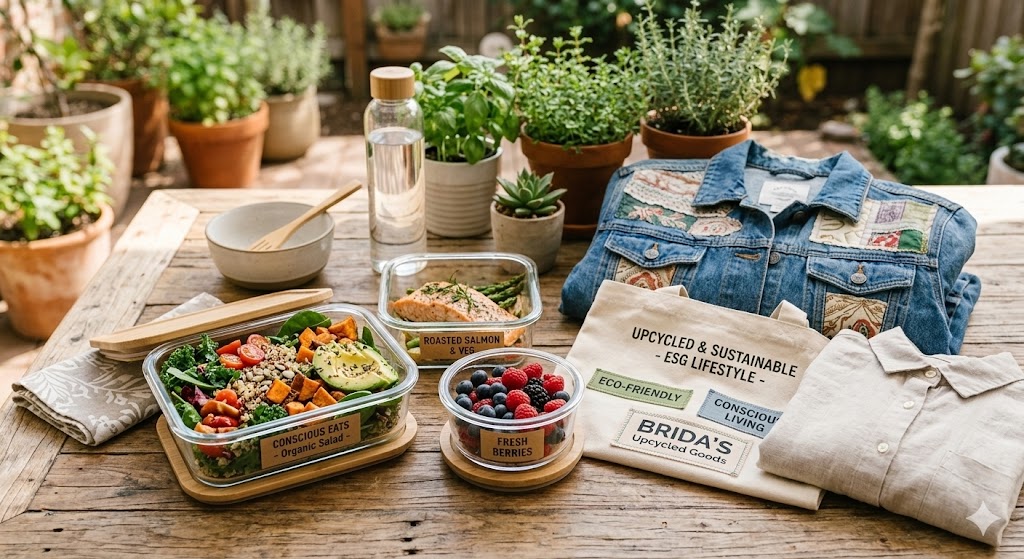
세계적인 불황 속에서 한국의 경제 상황 역시 꽁꽁 얼어붙어 있습니다. 대중의 마음과 지갑에 여유가 사라진 지금, 막연한 대의명분을 앞세운 ESG(환경·사회·지배구조) 경영은 소비자들에게 종종 사치로 여겨집니다. 이 냉혹한 현실이 가장 뚜렷하게 나타나는 곳이 바로 의류 산업입니다. 지속 가능한 패션의 궁극적인 진실은 재활용 플라스틱으로 만들었다고 마케팅하는 새 티셔츠를 소비하는 것이 아닙니다. 파타고니아(Patagonia)의 철학이 증명했듯, 진정한 친환경은 중고 제품을 소비하거나, 업사이클링을 하거나, 아예 새 옷을 사지 않고 기존의 옷을 고쳐 입는 방향으로 나아가야 합니다. 소비자들은 지갑을 닫음으로써 환경을 위한 투표를 하고 있으며, 이는 의류 비즈니스 생태계에 거대한 패러다임의 전환을 요구하고 있습니다.
식생활에 숨겨진 틈새시장: 내 몸을 위한 직접적 투자
하지만 여기서 아주 흥미로운 역설이 발생합니다. 옷은 안 사면서도, 특정 식생활과 웰니스 분야에서는 기꺼이 프리미엄을 지불하는 강력한 틈새시장이 존재한다는 것입니다. 이유는 명확합니다. 의류와 달리 음식은 내 몸속으로 직접 들어와 혈액과 세포를 구성하는 직접적인 원료가 되기 때문입니다. “Body Rules the Mind(신체가 정신을 지배한다)”라는 철학은 경제가 어려울수록 더욱 강력한 생물학적 진실로 다가옵니다. 사람들은 경제적 스트레스가 극심할수록 자신의 건강, 면역력, 그리고 인지 능력을 최적화하는 데 집중합니다. 이제 질 좋은 클린 푸드(Clean Food)에 돈을 쓰는 것은 단순한 환경 보호나 기부가 아닙니다. 그것은 치열한 현대 사회에서 살아남기 위한 가장 확실한 ‘바이오해킹(Biohacking)’ 전략이자 생존 투자입니다.
가열된 플라스틱의 치명적 독성: 과학적 근거
소비자들이 특정 식재료에 프리미엄을 기꺼이 지불하는 가장 큰 원동력은 보이지 않는 독성에 대한 경각심입니다. 대표적인 것이 플라스틱과 비닐 용기의 열가열 문제입니다. 미국 국립생물정보센터(NCBI)에 등재된 다수의 학술 연구와 하버드 의과대학(Harvard Medical School)의 경고에 따르면, 일반적인 식품 포장용 플라스틱이나 비닐에 열을 가할 경우(예: 편의점 도시락을 포장째 전자레인지에 조리하는 행위), 비스페놀 A(BPA) 및 프탈레이트와 같은 내분비계 교란 물질(환경호르몬)의 음식물 침투량이 기하급수적으로 증가합니다. 이러한 합성 독성 물질은 체내 호르몬 수용체와 결합하여 호르몬 균형을 완벽하게 파괴하고, 만성적인 세포 염증, 대사 장애, 인지 기능 저하(브레인 포그), 그리고 세포의 조기 노화를 유발합니다. 소비자들은 가열된 비닐 용기를 사용하여 몇 천 원을 아끼는 행위가 장기적인 세포 건강을 파괴하는 끔찍한 교환이라는 사실을 정확히 인지하기 시작했습니다.
1번 방사 유정란에 기꺼이 비용을 지불하는 이유

이러한 세포 건강에 대한 집착은 ‘난각번호 1번’ 방사 유정란과 같은 프리미엄 식재료에 대한 폭발적인 수요로 직결됩니다. 동물 복지는 이제 단순한 윤리적 차원을 넘어섭니다. 좁은 케이지에서 극심한 스트레스를 받으며 항생제 사료를 먹고 자란 닭의 달걀과, 자연 상태에서 흙을 밟으며 양질의 사료를 먹고 자란 방사 유정란은 그 영양학적 밀도와 생체 이용률 자체가 완전히 다릅니다. 난각번호 1번 달걀은 체내 염증 수치를 낮추는 오메가-3 지방산과 뇌 기능에 필수적인 지용성 비타민을 월등히 높게 함유하고 있습니다. 사람들은 지독한 불황 속에서도 이 달걀이 자신의 생물학적 하드웨어를 업그레이드하는 가장 확실한 투자임을 알기에 기꺼이 비용을 지불합니다. 결국, 식생활에서의 진정한 ESG는 나와 지구의 에너지를 동시에 살리는 가장 완벽한 바이오해킹 실천법입니다.
관련 링크 (Related Biohacking Insights)
- 그린워싱을 피하는 법: 윤리적인 올리브 오일(Deortegas & Soler Romero)을 선택해야 하는 이유
- ESG 브랜드 기획자 브리짓준: 미세플라스틱의 위협과 한국 친환경 제조업의 미래
- 식비는 비용이 아니라 투자다: 병원비를 아끼고 연봉을 올리는 가장 확실한 방법
The ESG Paradox in an Economic Downturn: Why We Stop Buying Clothes but Pay a Premium for Cage-Free Eggs
The Reality of Eco-Friendly Apparel: “Don’t Buy This Jacket”
Globally, and particularly in South Korea, the economic downturn has significantly tightened consumer spending. In an era where financial bandwidth is limited, the concept of ESG (Environmental, Social, and Governance) often feels like a luxury rather than a necessity. This is most evident in the apparel industry. The ultimate truth about sustainable fashion is not about buying a new t-shirt marketed as being made from recycled plastic; it is about drastically extending the lifecycle of existing garments. Following Patagonia’s famous anti-consumerist philosophy, true eco-friendly action in fashion means buying second-hand, upcycling, or simply refusing to buy new clothes at all. For apparel businesses, this creates a challenging landscape where conscious consumption directly translates to reduced purchasing volume. Consumers are voting for the environment by keeping their wallets closed.
The Biohacking Niche in Food: We Are What We Absorb
However, there is a powerful and highly profitable paradox at play. While consumers may reject “green” clothing to save money, a robust niche exists in the food and wellness sector. Why does this discrepancy exist? Because food directly crosses the barrier of the human body. “Body Rules the Mind” is not just a brand philosophy; it is an undeniable biological reality. When economic stress and anxiety are high, consumers become hyper-aware of their immediate health, immune system, and cognitive performance. Investing in high-quality, clean food is no longer seen as a mere environmental donation. Instead, it is viewed as a critical biohacking strategy—a necessary investment for personal survival, daily energy optimization, and long-term resilience against chronic stress.
The Toxicity of Heated Plastics: A Scientific Perspective
The willingness to pay a premium for specific food items is strongly driven by the fear of invisible toxins. A prime example is the danger of heating food in plastic or vinyl containers. According to comprehensive data published by the National Center for Biotechnology Information (NCBI) and warnings from Harvard Medical School, subjecting common food-grade plastics to heat—such as microwaving convenience store meals in their original packaging—significantly accelerates the leaching of Endocrine Disrupting Chemicals (EDCs) like Bisphenol A (BPA) and phthalates into the food. These neurotoxins and synthetic estrogens directly interfere with human hormonal balance. They bind to hormone receptors, leading to cellular inflammation, metabolic dysfunction, accelerated aging, and cognitive fog. Consumers are increasingly aware that saving a few dollars by eating out of heated vinyl is a devastating trade-off for their long-term cellular health.
The Premium for Biological Integrity: Cage-Free Eggs
This acute awareness of cellular health perfectly explains the rising demand for premium ingredients like free-range, cage-free eggs (designated by the ‘Number 1’ shell code in Korea). Consumers now deeply understand that an animal’s stress levels, feed quality, and living conditions bioaccumulate in the final product. Eggs from hens raised in natural, pasture-based environments contain significantly higher levels of anti-inflammatory Omega-3 fatty acids, bioavailable protein, and fat-soluble vitamins (like Vitamin D and E) compared to those from confined factory farms. Despite severe economic hardships, people are willing to pay top dollar for these cage-free eggs because they recognize it as a direct hardware upgrade to their own biological operating system. Ultimately, investing in toxin-free, ethically sourced food is the absolute convergence of ESG principles and personal biohacking.
Related Biohacking Insights
- The Olive Oil Deception: How to Spot Greenwashing and Why I Chose Deortegas and Soler Romero
- ESG Brand Architect Bridget June: The Threat of Microplastics and the Future of Eco-Friendly Manufacturing in Korea
- Food is an Investment, Not an Expense: The Surest Way to Save on Medical Bills and Increase Your Wealth
The content provided on this website, including all text, graphics, images, and other materials, is for informational and educational purposes only. The biohacking protocols, recipes, and lifestyle insights shared by Bridget June are based on personal experience and independent research. This information is not intended to be a substitute for professional medical advice, diagnosis, or treatment. Always seek the advice of your physician or other qualified healthcare provider with any questions you may have regarding a medical condition or before implementing any new diet, supplement, or health regimen.
의료적 주의사항
본 웹사이트에서 제공되는 모든 텍스트, 그래픽, 이미지 및 기타 자료를 포함한 콘텐츠는 오직 정보 제공 및 교육적 목적으로만 작성되었습니다. 브리짓준(Bridget June)이 공유하는 바이오해킹 프로토콜, 레시피 및 라이프스타일 인사이트는 개인적인 경험과 독립적인 연구 데이터를 바탕으로 합니다. 이 정보는 전문적인 의학적 조언, 진단 또는 치료를 대신할 수 없습니다. 새로운 식단이나 건강 요법을 시작하기 전에는 항상 주치의와 상담하시기 바랍니다.