The Biohacker’s Guide to Canned Tuna: Strategic Protein, Omega-3s, and the Mercury Protocol
Subtitle: How to utilize the ultimate emergency protein source without compromising your heavy metal load. A data-driven approach.
In the disciplined protocols of K-Wellness Biohacking, preparation is everything. Yet, reality often intervenes—unexpected travel, extended meetings, or environments devoid of clean food. In these critical moments, “Body Rules the Mind,” and the priority is preventing catabolism (muscle breakdown). Canned tuna is not gourmet; it is tactical fuel. It is the most accessible, dense source of complete protein available globally. However, for the biohacker, it comes with a caveat: mercury. This guide defines how to integrate tuna strategically, turning a convenience food into a precision tool.
The Science: Anabolism and Neuroprotection
We do not eat canned tuna for pleasure; we eat it for its unmatched macronutrient profile in emergency scenarios.
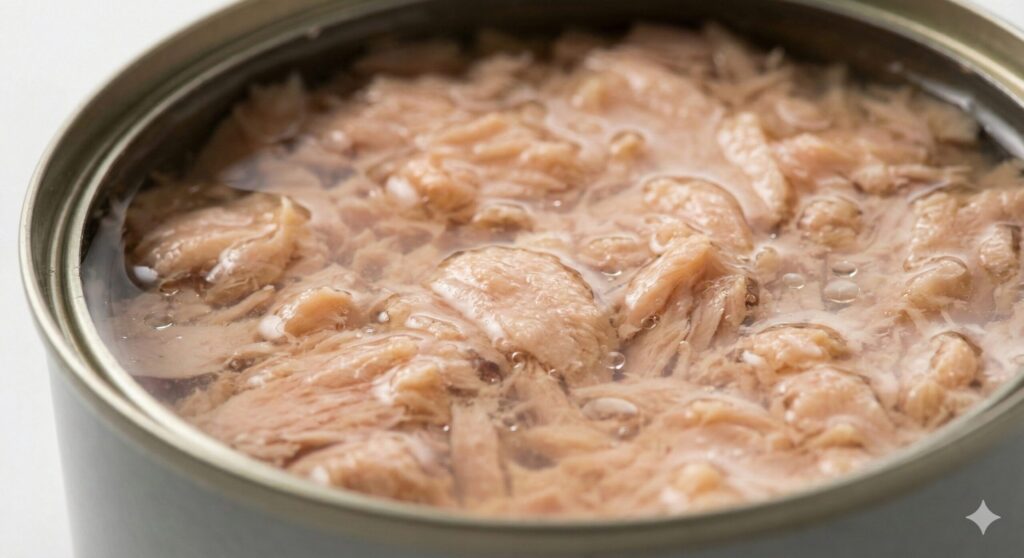
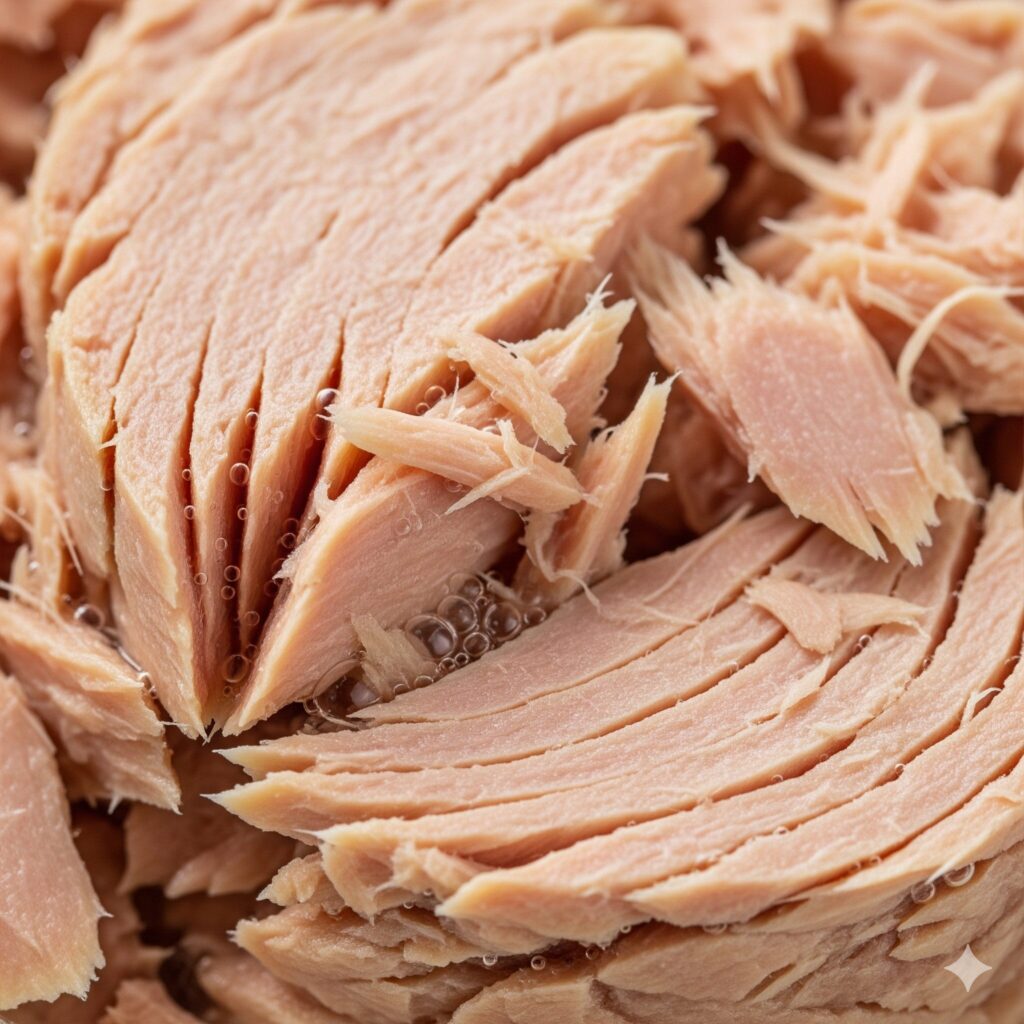
1. The Leucine Threshold (NCBI Context) Research available through the National Center for Biotechnology Information (NCBI) emphasizes the role of leucine, an essential branched-chain amino acid, in triggering Muscle Protein Synthesis (MPS). Canned tuna is exceptionally high in leucine. A single standard can provides enough high-quality protein (approx. 20-25g) to cross the leucine threshold, effectively switching the body from a catabolic to an anabolic state, even when fresh meat is unavailable.
2. Omega-3s (EPA/DHA) for Cognitive Maintenance While fatty fish like salmon are superior, tuna remains a viable source of marine Omega-3 fatty acids, specifically EPA and DHA. These are crucial for maintaining cell membrane integrity in the brain and managing systemic inflammation.
3. The Mercury Mitigation Factor: Selenium The biohacker’s primary concern is methylmercury. However, data indicates that tuna also contains selenium, a powerful antioxidant mineral. According to various studies, selenium can bind to mercury, potentially reducing its bioavailability and toxicity in the body. The key is choosing tuna varieties where the selenium-to-mercury molar ratio is favorable.
The Bridget June Protocol: The Safe Sourcing Strategy
To utilize tuna safely, we must adhere to strict selection criteria. Not all cans are created equal.
- The Species Matters (Crucial): Always choose “Light Tuna” or “Skipjack” (가다랑어) over “White Tuna” or “Albacore” (날개다랑어). Albacore is a larger, longer-lived fish and accumulates significantly more mercury—often three times the amount found in skipjack. For the biohacker, Albacore is too high-risk for regular consumption.
- The Base: Water vs. Oil: Select tuna packed in water or its own juices. Tuna packed in oil often uses cheap, highly processed seed oils (soybean, canola) that are inflammatory and ruin the Omega-3 to Omega-6 ratio. If you need fat, add your own high-quality Extra Virgin Olive Oil or combine it with an avocado.
- BPA-Free Packaging: Ensure the can lining is certified BPA-free to avoid endocrine-disrupting chemicals.
Integration into Your Routine
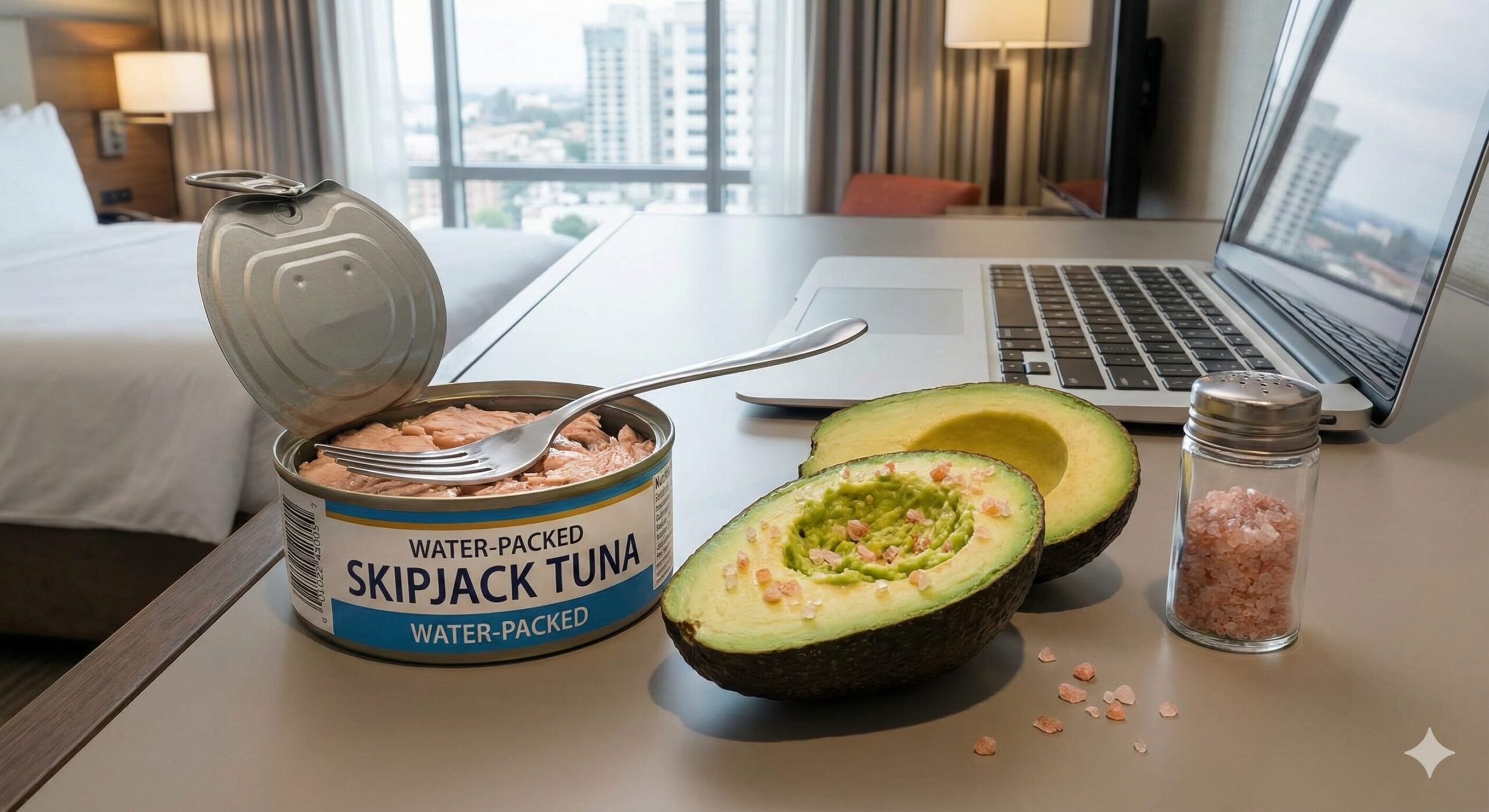
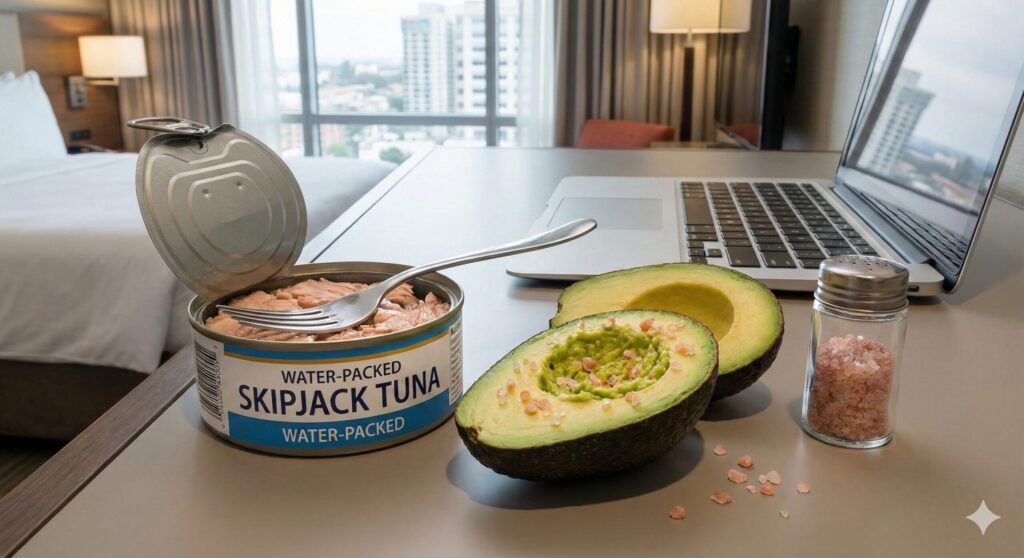
- The “Emergency Travel Hack”: When stuck in an airport or hotel with poor food options, combine one can of water-packed skipjack tuna with a portable packet of olive oil or a whole avocado. This provides a perfect protein-fat macro ratio with zero inflammatory ingredients.
- Frequency Cap: Despite choosing low-mercury options, discipline is required. Limit consumption to 2-3 servings per week to maintain a wide safety margin against heavy metal accumulation.
Canned tuna is the special forces of your pantry—rugged, reliable, and effective when deployed correctly. Master the selection process, and you gain a powerful ally against unpredictable schedules.
| Tuna Species | Avg. Mercury Concentration | Selenium : Mercury Molar Ratio (Se:Hg) | Biohacking Safety Grade | Biohacker Notes |
| Skipjack (Light Tuna) | Low (approx. 0.12 ppm) | Very High (> 10:1) | A (Strategic/Safe) | Selenium adequately neutralizes mercury toxicity. Suitable for regular use (2-3 times/week). |
| Albacore (White Tuna) | High (approx. 0.35-0.5 ppm) | Low (Unfavorable Ratio) | C (Caution/Avoid) | Higher risk of mercury accumulation. Not recommended for routine biohacking protocols. |
| Salmon (Reference) | Very Low (approx. 0.02 ppm) | Very High | S (Optimal) | The safest marine protein reference point, though less convenient in canned form. |
Related Biohacking Insights (Internal Links)
- String Cheese: The Tactical High-Protein Hack for On-the-Go
- Boiled Egg: The Perfect Protein Design for Biohacking
- Rooibos Tea for Biohacking: The Caffeine-Free Antioxidant Powerhouse
- Pumpkin Seeds for Biohacking: The Ultimate Fuel for Deep Sleep
- Homemade Almond Butter: The Ultimate Biohacking Fat Source
바이오해커의 전략적 참치캔 섭취법: 수은 걱정 없는 고단백질·오메가3 활용 루틴
중금속 걱정 없이 활용하는 최강의 비상용 단백질. 데이터 기반의 안전한 참치캔 선택 가이드.
**K-웰니스 바이오해킹(K-Wellness Biohacking)**의 규율 속에서 철저한 준비는 기본입니다. 하지만 예상치 못한 출장, 길어지는 회의 등 깨끗한 음식을 구할 수 없는 ‘비상 상황’은 언제나 발생합니다. 이때 “신체가 정신을 지배한다(Body Rules the Mind)”는 원칙을 지키기 위한 최우선 과제는 근손실(Catabolism) 방지입니다. 캔 참치는 미식(美食)을 위한 음식이 아닙니다. 그것은 전술적인 연료입니다. 전 세계 어디서나 구할 수 있는 가장 접근성 높고 밀도 높은 완전 단백질원입니다. 하지만 바이오해커에게는 ‘수은(Mercury)’이라는 명확한 경고등이 켜져 있습니다. 이 가이드는 참치캔을 단순한 인스턴트가 아닌, 정밀한 바이오해킹 도구로 활용하는 방법을 정의합니다.
전문가 칼럼: 동화작용(Anabolism)과 뇌 보호의 과학
우리는 맛 때문에 비상 상황에서 참치캔을 뜯는 것이 아닙니다. 압도적인 영양 프로필 때문입니다.
1. 류신(Leucine) 임계점 돌파와 근합성 (NCBI 맥락) **미국 국립생물정보센터(NCBI)**의 연구 자료들은 근육 단백질 합성(MPS)의 방아쇠 역할을 하는 필수 아미노산 ‘류신’의 중요성을 강조합니다. 캔 참치는 류신 함량이 극도로 높습니다. 표준 캔 하나(약 100g~150g)는 약 20~25g의 고품질 단백질을 제공하여 류신 임계점을 넘기기에 충분합니다. 이는 신선한 육류가 없는 상황에서도 우리 몸을 근육 분해 상태에서 ‘동화(합성) 상태’로 즉시 전환시킵니다.
2. 뇌를 위한 오메가-3 (EPA/DHA) 물론 자연산 연어가 더 우월하지만, 참치 역시 뇌세포막의 건전성을 유지하고 전신의 염증을 관리하는 데 필수적인 해양성 오메가-3(EPA 및 DHA)의 유효한 공급원입니다.
3. 수은의 완충제: 셀레늄(Selenium) 팩터 바이오해커의 주된 걱정은 메틸수은입니다. 그러나 데이터에 따르면 참치에는 강력한 항산화 미네랄인 셀레늄 또한 풍부합니다. 여러 연구에 따르면 셀레늄은 수은과 결합하여 체내 생체이용률과 독성을 감소시키는 역할을 합니다. 핵심은 수은 대비 셀레늄 비율이 유리한 참치 어종을 선택하는 것입니다.
브리짓 준의 섭취 프로토콜: 안전한 선택 전략
참치를 안전하게 활용하기 위해서는 엄격한 선별 기준이 필요합니다. 모든 캔이 동일하게 만들어지지 않았습니다.
- 어종이 핵심이다 (Crucial): 반드시 ‘가다랑어(Skipjack)’ 또는 ‘라이트 튜나(Light Tuna)’라고 표기된 제품을 선택하십시오. ‘날개다랑어(Albacore, 화이트 튜나)’는 더 크고 오래 사는 어종으로, 가다랑어보다 수은 축적량이 훨씬 높습니다(종종 3배 이상). 바이오해커에게 날개다랑어는 정기 섭취용으로 너무 위험 부담이 큽니다.
- 베이스: 기름 대신 물 (Water-packed): 기름이 아닌 **’물(Water)’**이나 자체 육즙에 담긴 제품을 선택하십시오. 카놀라유나 대두유 등에 담긴 참치캔은 염증을 유발하는 오메가-6 비율을 높입니다. 지방이 필요하다면, 물에 담긴 참치를 선택한 후 질 좋은 엑스트라 버진 올리브 오일이나 아보카도를 직접 추가하는 것이 현명합니다.
- BPA-Free: 내분비계 교란 물질을 피하기 위해 캔 내부 코팅이 BPA-Free 인증을 받았는지 확인하십시오.
루틴에 적용하기 (Integration)
- 비상 여행 해킹 (Travel Hack): 공항이나 호텔에서 질 나쁜 음식밖에 선택지가 없을 때, 물에 담긴 가다랑어 캔 하나와 휴대용 올리브 오일 팩(또는 아보카도 반쪽)을 조합하십시오. 염증 유발 성분 없이 완벽한 단백질-지방 비율의 식사가 완성됩니다.
- 빈도 제한: 안전한 어종을 선택했더라도 규율은 필요합니다. 중금속 축적에 대한 충분한 안전 마진을 확보하기 위해, 섭취 빈도를 주 2~3회로 제한하는 절제가 필요합니다.
캔 참치는 당신의 식료품 저장고에 있는 특수부대원과 같습니다. 거칠지만 신뢰할 수 있고, 올바르게 투입되었을 때 강력한 효과를 발휘합니다. 선택의 기술을 마스터하면, 예측 불가능한 스케줄 속에서도 강력한 아군을 얻게 될 것입니다.
| 어종 (Species) | 평균 수은 농도 (Mercury) | 셀레늄 : 수은 비율 (Se:Hg Ratio) | 바이오해킹 등급 (Biohacking Grade) | 비고 |
| 가다랑어 (Skipjack / Light Tuna) | 낮음 (약 0.12 ppm) | 매우 높음 (> 10:1) | A (Safe) | 셀레늄이 수은을 충분히 중화함. 주 2-3회 섭취 적합. |
| 날개다랑어 (Albacore / White Tuna) | 높음 (약 0.35~0.48 ppm) | 낮음 (비율 불리함) | C (Caution) | 수은 축적 위험 있음. 섭취 제한 필요. |
| 연어 (Salmon) | 매우 낮음 (약 0.02 ppm) | 매우 높음 | S (Best) | 가장 안전하나 통조림은 구하기 어렵거나 비쌈. |
The content provided on this website, including all text, graphics, images, and other materials, is for informational and educational purposes only. The biohacking protocols, recipes, and lifestyle insights shared by Bridget June are based on personal experience and independent research. This information is not intended to be a substitute for professional medical advice, diagnosis, or treatment. Always seek the advice of your physician or other qualified healthcare provider with any questions you may have regarding a medical condition or before implementing any new diet, supplement, or health regimen.
의료적 주의사항
본 웹사이트에서 제공되는 모든 텍스트, 그래픽, 이미지 및 기타 자료를 포함한 콘텐츠는 오직 정보 제공 및 교육적 목적으로만 작성되었습니다. 브리짓준(Bridget June)이 공유하는 바이오해킹 프로토콜, 레시피 및 라이프스타일 인사이트는 개인적인 경험과 독립적인 연구 데이터를 바탕으로 합니다. 이 정보는 전문적인 의학적 조언, 진단 또는 치료를 대신할 수 없습니다. 새로운 식단이나 건강 요법을 시작하기 전에는 항상 주치의와 상담하시기 바랍니다.